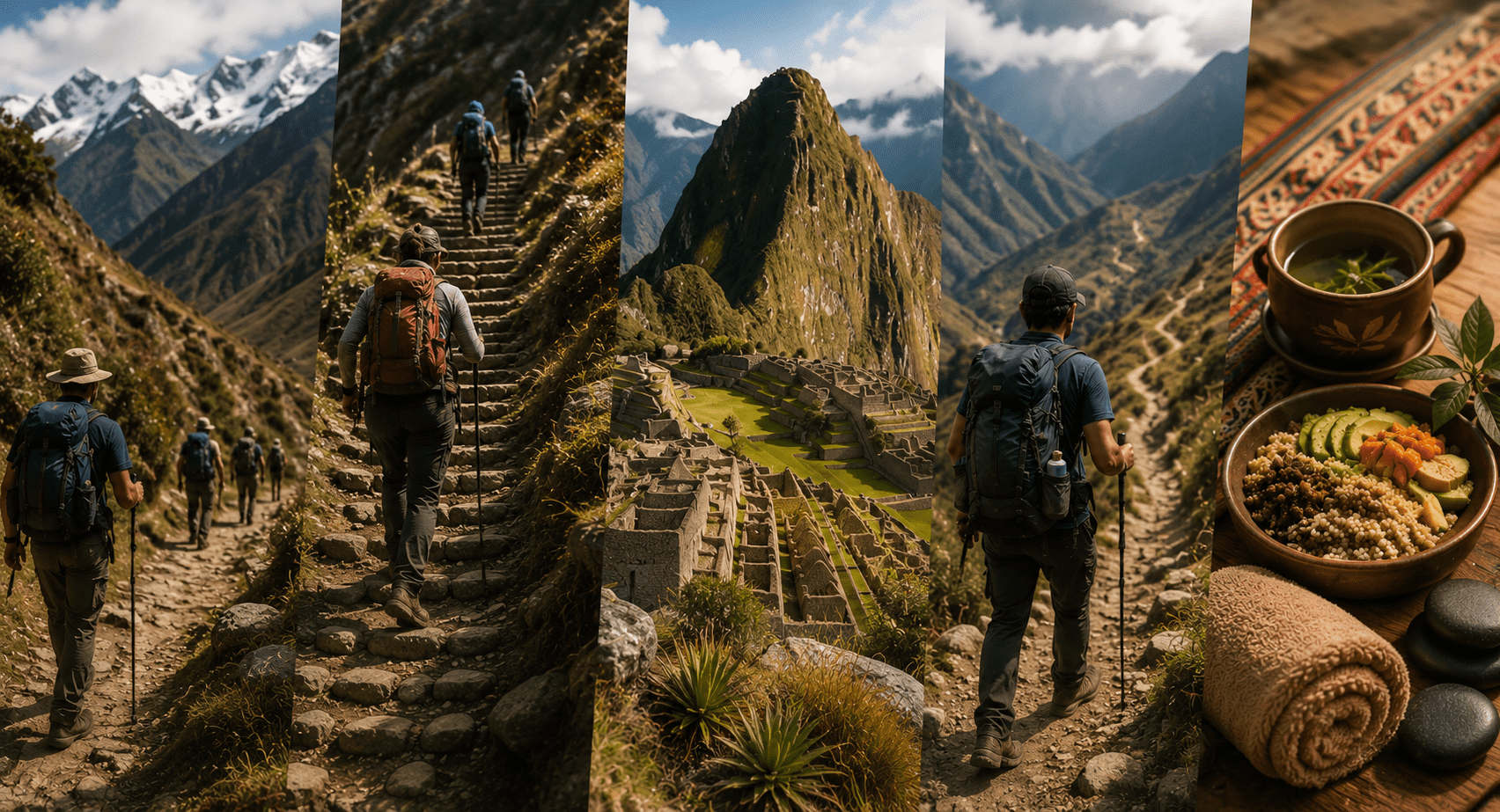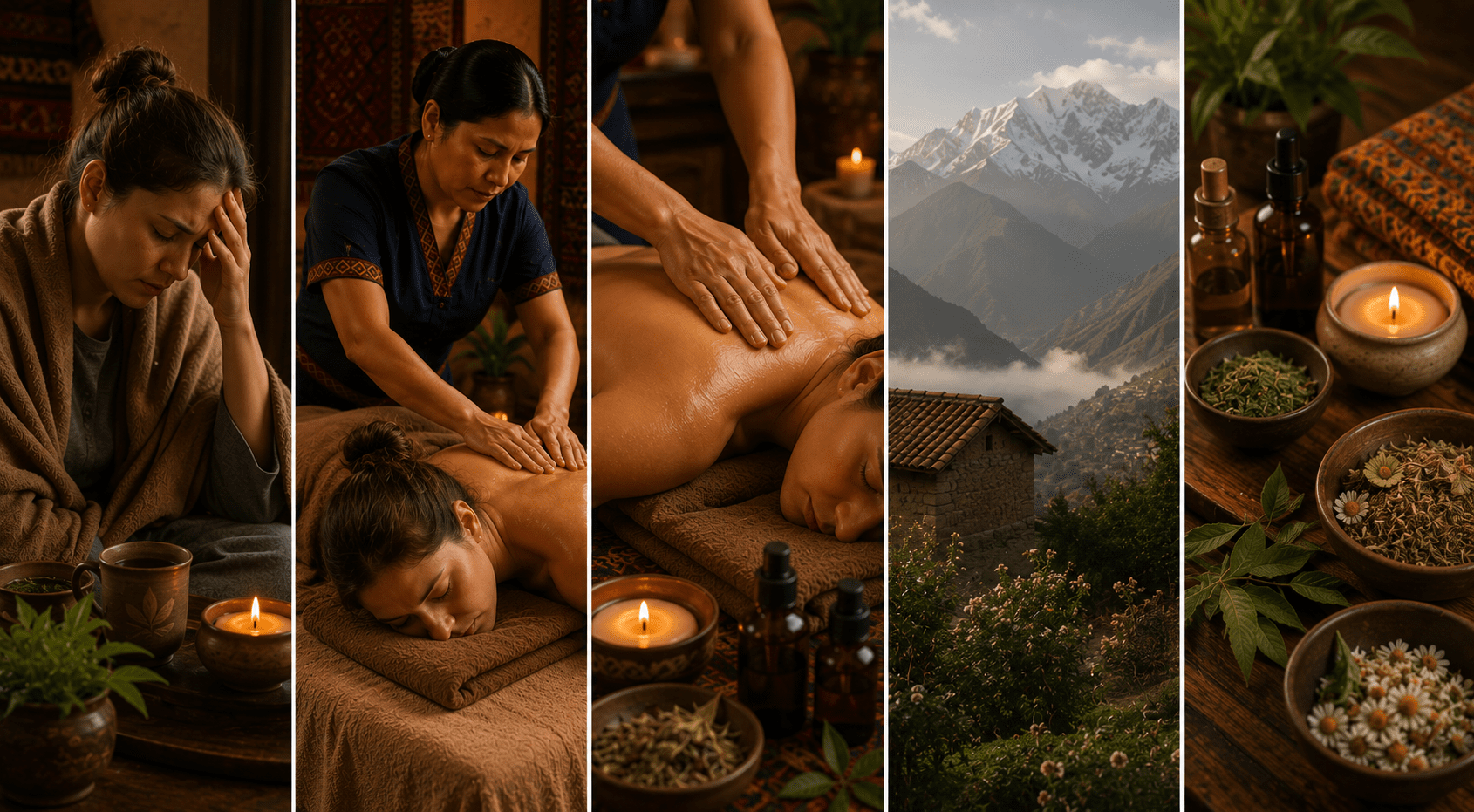
Understanding the real Inca Trail difficulty before you book is the single most important thing you can do for your trek in 2026. Most travel blogs either understate the challenge — leaving unprepared hikers struggling — or overstate it, scaring away people who would thrive on the route. Therefore, this guide gives you the honest, experience-based picture of what to expect: the elevation, the hardest days, the physical demands, and exactly how to recover your body in Cusco after crossing the finish line at the Sun Gate. Furthermore, having treated thousands of post-trek travelers at Body Spa in Cusco, our team knows better than anyone what the trail actually does to your body.
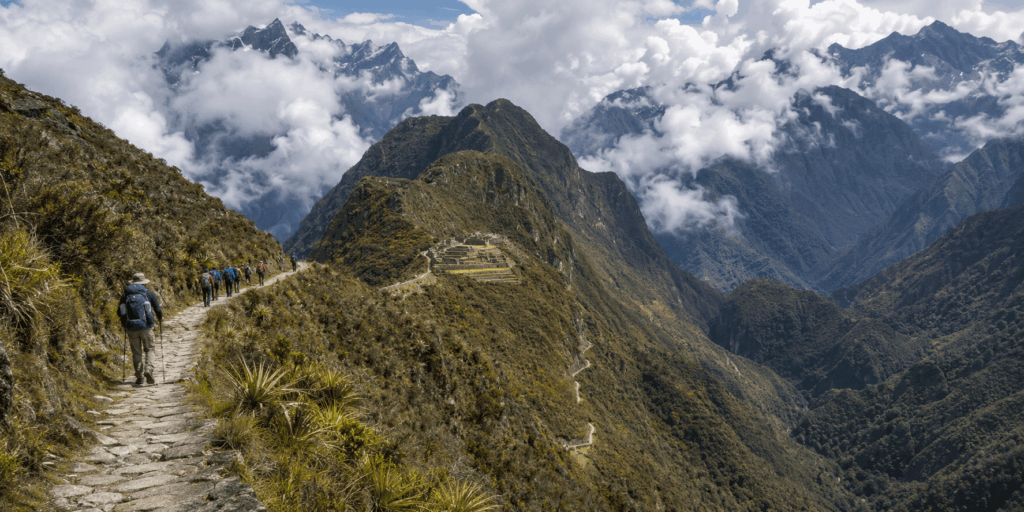
What Is the Real Inca Trail Difficulty in 2026?
The Inca Trail difficulty is officially rated as moderate to strenuous by Peru’s official tourism board. However, the word “moderate” is misleading for the average traveler, because the trail combines three factors that amplify difficulty beyond what the physical distance suggests: high altitude, significant elevation gain, and uneven ancient stone stairs that punish the knees and ankles far more than a standard mountain trail. Therefore, understanding each of these factors independently is essential before you commit to the trek in 2026.
Trail distance and total elevation gain
The classic Inca Trail covers approximately 42 kilometers over 4 days, which sounds manageable until you factor in the elevation profile. For example, Day 2 alone involves climbing from 3,000 meters to Dead Woman’s Pass at 4,215 meters — a gain of over 1,200 meters in a single morning. In addition, the total elevation gain across the entire route exceeds 4,000 meters, making this one of the most elevation-intensive moderate treks in South America. The starting point in Cusco itself sits at 3,400 meters, which means your body is already working harder from the moment you arrive in the city.
Altitude and its effect on the Inca Trail difficulty
Altitude is the factor that catches most trekkers by surprise and dramatically increases the real Inca Trail difficulty. Therefore, at elevations above 3,500 meters, the body receives 30% less oxygen than at sea level, which means muscles fatigue much faster, recovery between efforts slows down, and the risk of acute mountain sickness rises significantly. Furthermore, according to the CDC’s altitude health guidelines, travelers arriving from sea level should acclimatize for at least 2 full days in Cusco before beginning any strenuous physical activity above 3,500 meters. In addition, most trekkers who struggle on the trail cite altitude as the primary challenge — not fitness level or trail length.
Day-by-Day Inca Trail Difficulty Breakdown for 2026
The Inca Trail difficulty varies significantly between each of the four days. Therefore, planning your pacing, nutrition, and hydration strategy around this daily variation is what separates trekkers who finish strong from those who struggle through the final hours. Furthermore, knowing what to expect each day allows you to mentally prepare for the hardest sections and conserve energy for when you need it most.
Day 1 — Warm-up: Km 82 to Wayllabamba (13 km)
Day 1 is widely considered the easiest day on the trail. However, do not underestimate it — the 13-kilometer hike from Km 82 to Wayllabamba climbs steadily from 2,700 to 3,000 meters, and many trekkers arrive at camp already feeling the early effects of altitude. For example, shortness of breath during uphill sections, mild headache, and unusual fatigue are common on Day 1 even for physically fit travelers. Therefore, the golden rule is simple: hike slowly, drink at least 3 liters of water, and resist the urge to set a fast pace to impress fellow trekkers.
Day 2 — The hardest: Dead Woman's Pass at 4,215 m
Day 2 is universally acknowledged as the peak of Inca Trail difficulty. Therefore, this is the day most trekkers remember as both the most brutal and the most rewarding. The ascent to Dead Woman’s Pass begins almost immediately after breakfast and does not relent for 3 to 4 hours of continuous uphill climbing on stone stairs. Furthermore, the descent on the other side — though shorter — puts extreme stress on the quadriceps, knees, and ankles. In addition, Day 2 typically covers 16 kilometers with over 1,200 meters of net elevation gain, making it the most physically demanding single day on the entire route. Most trekkers reach camp exhausted, with legs that barely function by dinner.
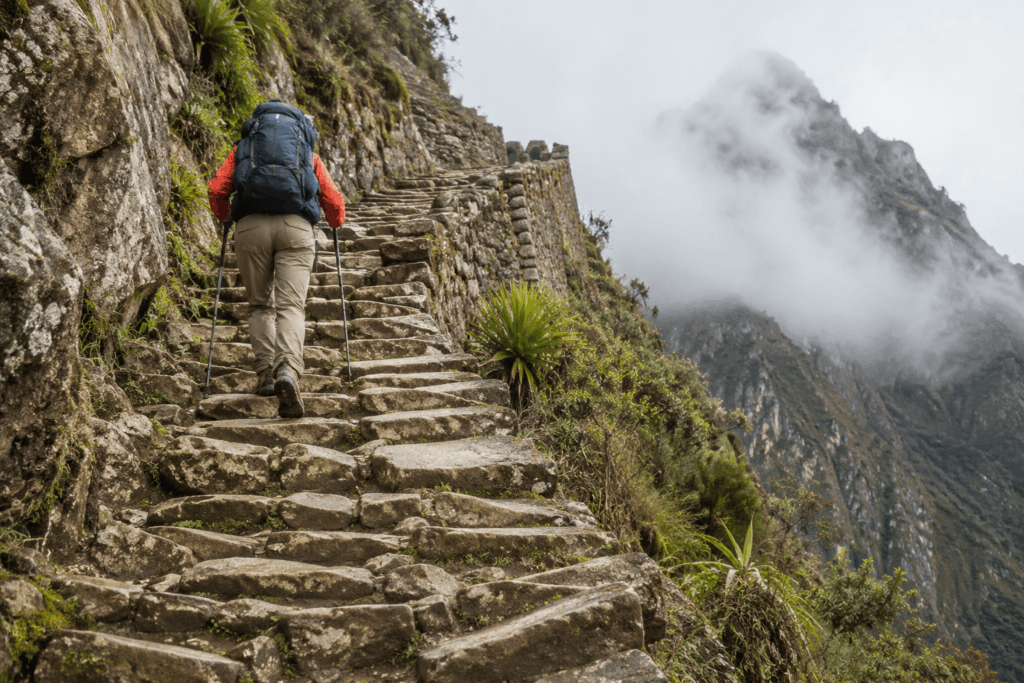
Days 3 and 4 — Recovery and arrival at Machu Picchu
Day 3 offers a mix of challenging ascents and beautiful descents through cloud forest, covering approximately 16 kilometers and crossing a second high pass at 3,700 meters. However, most trekkers find Day 3 emotionally easier than Day 2 because the altitude profile is less extreme and the scenery is spectacular. Day 4 is a short 3-kilometer final push to the Sun Gate, typically done in the dark to catch sunrise over Machu Picchu. Therefore, by the time you reach the Sun Gate, your body will have accumulated 4 days of muscle fatigue, joint stress, and altitude exposure — which is exactly why post-trek recovery becomes critical in the hours and days that follow in Cusco.
Who Can Handle the Inca Trail Difficulty in 2026?
One of the most common questions about Inca Trail difficulty is simply: can I do this? Therefore, the honest answer is that the vast majority of travelers in reasonable physical health can complete the trek with proper preparation. However, preparation must begin at least 8 to 12 weeks before departure, and it must include specific training for the unique demands of this trail — not just general fitness work.
Physical fitness requirements for the 2026 Inca Trail
According to Lonely Planet’s Inca Trail guide, the recommended preparation includes 8 to 12 weeks of cardiovascular training combining hiking with loaded backpack, stair climbing, and day hikes on uneven terrain. Furthermore, strengthening the quadriceps, glutes, and calves is specifically important because these are the muscle groups that will absorb the greatest impact during Day 2’s descent from Dead Woman’s Pass. In addition, training at altitude — if accessible — provides a significant advantage, as it pre-conditions the body to work efficiently with less oxygen before the trek begins.