Altitude Sickness Symptoms in Cusco — How Massage Helps You Recover Faster
Recognizing altitude sickness symptoms early is the most important thing you can do when you arrive in Cusco. At 3,400 meters above sea level, the reduced oxygen affects nearly every system in the body — and most travelers feel it within the first few hours. Therefore, understanding what is happening to your body, and what you can do about it, makes the difference between a miserable first day and a fast, effective recovery. Furthermore, one of the most powerful and underused tools for altitude recovery is professional therapeutic massage — and in Cusco, you have access to some of the best altitude-specialist therapists in the world at Body Spa.
What is altitude sickness and why does Cusco trigger it?
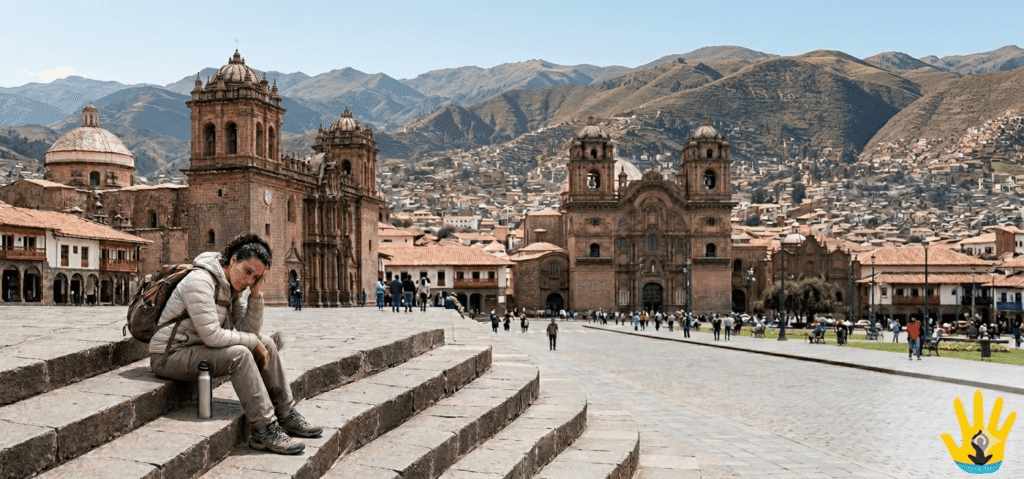
Altitude sickness symptoms occur when the body does not receive enough oxygen due to reduced atmospheric pressure at high elevations. Therefore, Cusco — sitting at 3,400 meters — is one of the most common destinations in the world where travelers experience this condition, clinically known as Acute Mountain Sickness or AMS. Furthermore, the CDC classifies AMS as a significant health risk for travelers arriving at altitudes above 2,500 meters without prior acclimatization. However, the good news is that most cases are mild, manageable, and respond quickly to the right recovery protocol.
The most common altitude sickness symptoms travelers report in Cusco
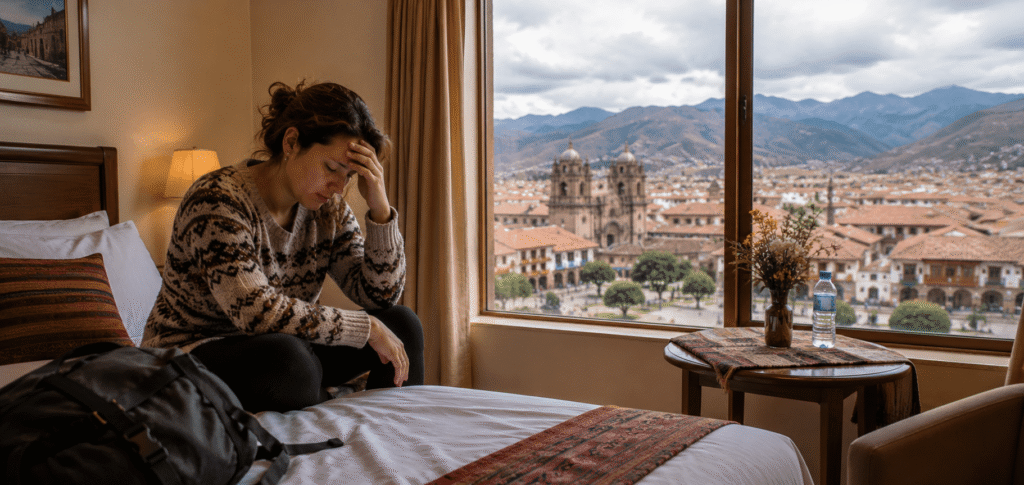
The classic altitude sickness symptoms that travelers experience upon arriving in Cusco include throbbing headache, unusual fatigue and weakness, dizziness or lightheadedness, shortness of breath during minimal physical activity, nausea with or without vomiting, difficulty sleeping despite physical exhaustion, and swelling in the hands, feet, and face due to fluid retention. For example, a headache that starts at the temples and worsens when bending forward or lying down is the single most reliable early indicator of AMS. In addition, many travelers mistake the fatigue of altitude sickness for simple travel tiredness, which leads them to push through activity when their body actually needs immediate rest and recovery support.
Why Cusco's altitude affects muscle tissue specifically
At 3,400 meters, your red blood cells carry significantly less oxygen per unit of blood than at sea level. Therefore, muscle tissue receives less oxygen during and after physical activity, causing lactic acid to accumulate much faster than normal. In addition, dehydration , which accelerates rapidly at altitude due to increased respiration and lower humidity , makes muscle fibers stiffer and more prone to cramping and spasm. Furthermore, many travelers combine their altitude exposure with intense sightseeing activity, climbing steep streets, and carrying backpacks within hours of arriving, which dramatically worsens both the circulatory and muscular impact of altitude sickness symptoms. This combination is exactly why therapeutic massage becomes such a powerful recovery tool in Cusco.
How Therapeutic Massage Relieves Altitude Sickness Symptoms
Professional massage therapy addresses altitude sickness symptoms through three distinct physiological mechanisms that work simultaneously. Therefore, unlike medication, which primarily manages symptoms chemically, massage actually corrects the underlying physical dysfunction caused by reduced oxygen at altitude. Furthermore, a study published in the National Library of Medicine confirms that therapeutic massage significantly improves peripheral circulation and reduces systemic inflammatory markers — both of which are directly compromised during altitude sickness. However, the type, timing, and technique of the massage matter enormously, which is why working with altitude-specialist therapists like those at Body Spa makes a measurable difference in recovery speed.
Improving circulation to counter low oxygen delivery
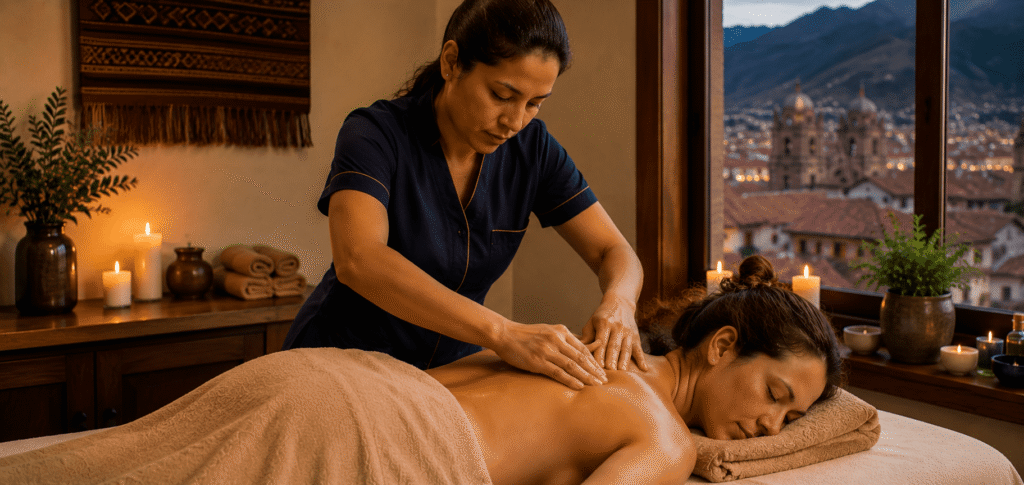
The primary reason massage works for altitude recovery is its direct effect on peripheral blood circulation. For example, Swedish and relaxing massage techniques increase local blood flow by 30 to 40% in the areas being treated, which means more oxygen reaches the muscle cells starved by altitude. In addition, improved venous return — the flow of blood back toward the heart — reduces the pooling of deoxygenated blood in the extremities, which directly alleviates the swelling and heaviness in legs and hands that many Cusco travelers experience. Therefore, a single 60-minute session can noticeably reduce several of the most uncomfortable altitude sickness symptoms within 2 to 4 hours.
Reducing muscle tension caused by altitude stress
When the body senses oxygen deficiency, it enters a low-grade stress response that causes involuntary muscle tension, particularly in the neck, shoulders, and upper back. Furthermore, this tension compresses the cervical blood vessels and nerves that supply the head, which is one of the primary physiological mechanisms behind the characteristic altitude headache. Therefore, targeted deep tissue work on the neck, trapezius, and suboccipital muscles directly addresses the tension component of altitude headaches — providing faster relief than pain medication alone in many cases. In addition, releasing this tension also improves breathing mechanics, which is critical for altitude acclimatization.
Lymphatic drainage for altitude swelling
Fluid retention and swelling in the legs, ankles, and hands is one of the most uncomfortable and persistent altitude sickness symptoms for travelers in Cusco. Therefore, Manual Lymphatic Drainage — a specialized gentle technique that stimulates the lymphatic system — is one of the most effective treatments available for this specific symptom. Furthermore, unlike conventional massage, lymphatic drainage uses extremely light, rhythmic strokes that follow the natural direction of lymph flow toward the lymph nodes, physically moving retained fluid out of the swollen tissue. In addition, our therapists at Body Spa combine lymphatic drainage with targeted elevation positioning, which accelerates the reduction of lower limb swelling by up to 60% compared to rest alone.
The Best Massage Treatments for Altitude Sickness Symptoms at Body Spa
Not all massages are equally effective for altitude sickness. Therefore, we present our therapist-recommended protocol, based on years of experience treating international travelers arriving in Cusco with varying degrees of altitude-related discomfort. All of these treatments are available.
Relaxing Massage — the first-night priority
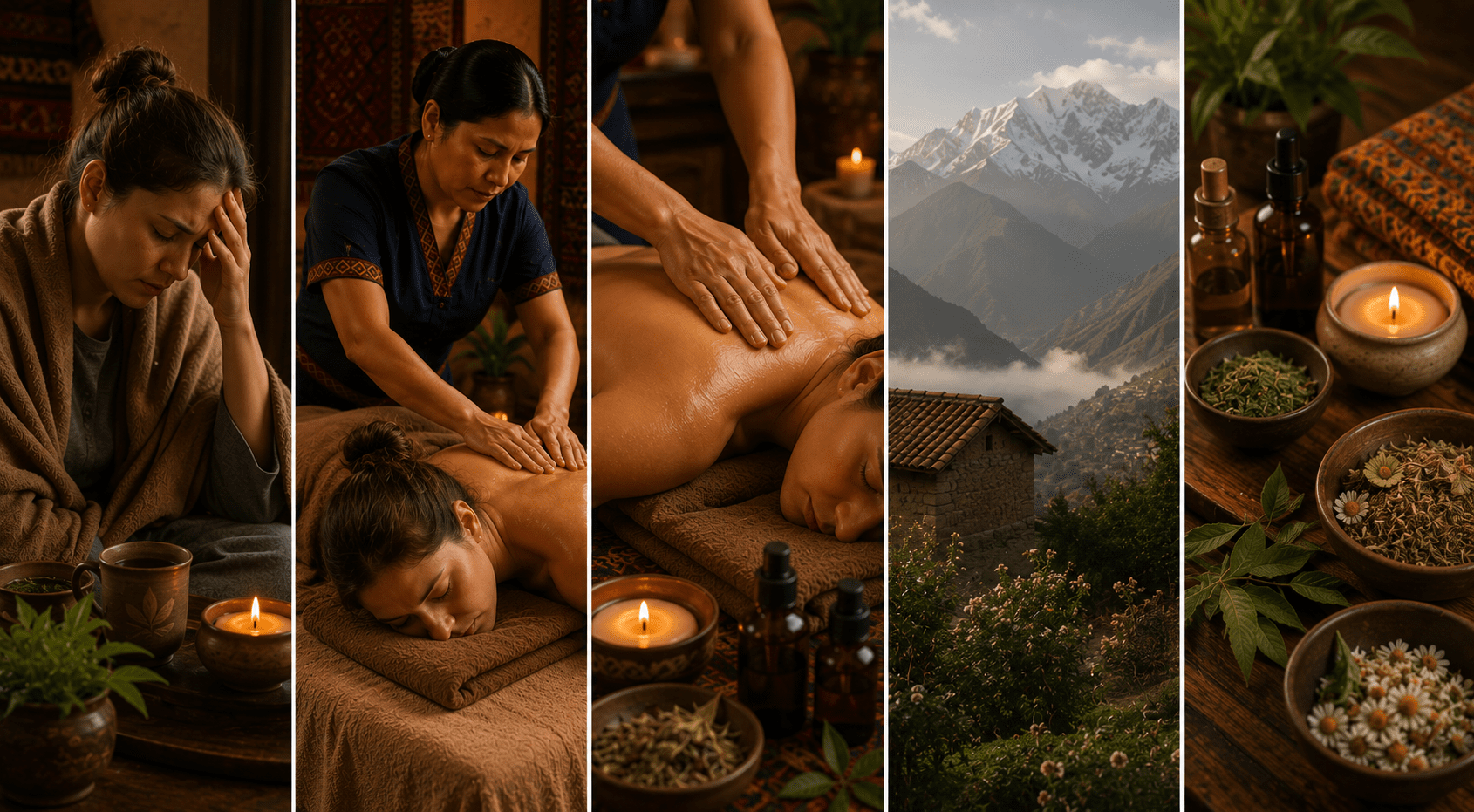
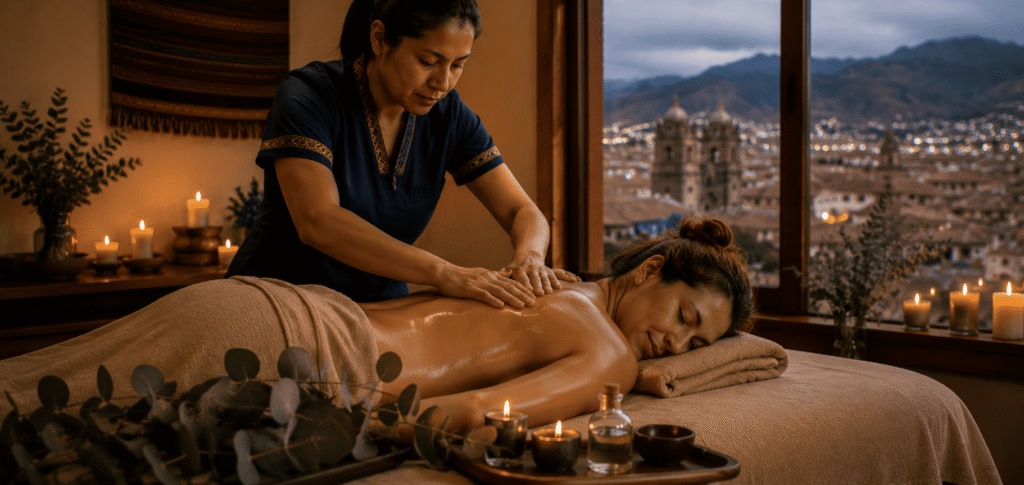
If you’ve just arrived in Cusco and are experiencing mild altitude sickness, a Relaxing Massage is the ideal starting point. However, this isn’t a passive luxury, but rather an active tool for recovery. The long, flowing strokes of the Swedish massage reduce cortisol levels, decrease systemic inflammation, calm the nervous system’s response to oxygen stress, and improve peripheral circulation—all in a single 60-minute session. Furthermore, the warm, organic Andean oils used in this treatment, particularly eucalyptus, which has documented bronchodilatory properties, directly support respiratory function during acclimatization.
Inca Healing Ritual — the complete altitude recovery ceremony
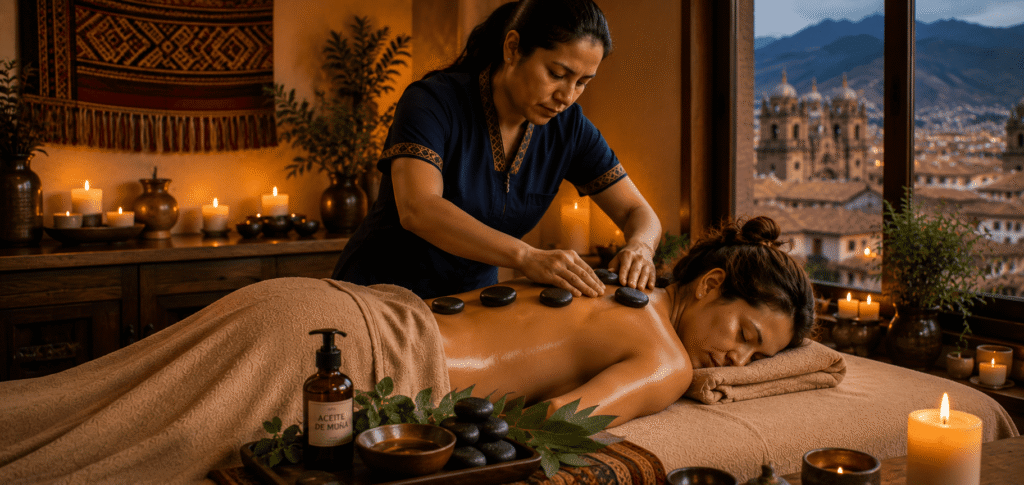
For travelers seeking the most comprehensive solution to altitude sickness symptoms, the Inca Healing Ritual offers all the benefits of recovery in a single session. This exclusive treatment combines hot volcanic stone therapy—which penetrates deep into muscle tissue to release tension and improve local circulation—with the application of muña oil, an Andean plant used in traditional Inca medicine specifically to alleviate headaches and respiratory problems at high altitudes. The ritual’s passive stretching component also improves thoracic mobility and diaphragm function, promoting deeper, more efficient breathing. As a result, most guests who receive the Inca Healing Ritual on their first day in Cusco report a significant reduction in all altitude symptoms within 12 hours.
When to Seek Medical Attention for Altitude Sickness Symptoms
While therapeutic massage is highly effective for mild to moderate altitude sickness symptoms, it is essential to understand when professional medical attention is required. Therefore, we always advise our guests to be aware of the warning signs that indicate a more serious altitude condition. However, the vast majority of travelers in Cusco experience only mild AMS, which responds well to rest, hydration, and therapeutic massage without requiring medical intervention.
Mild symptoms — massage and rest are appropriate
Mild altitude sickness symptoms include moderate headache, light fatigue, slight nausea, and minor dizziness that do not worsen with rest. For example, if your headache rates 3 to 5 out of 10 in intensity and improves after lying down for 30 minutes, you are experiencing typical mild AMS. Therefore, in this case, a gentle Relaxing Massage combined with oral hydration and 4 to 6 hours of rest will address your symptoms effectively within the first 24 hours. Furthermore, according to Lonely Planet’s Cusco travel guide, most visitors adapt successfully within 24 to 48 hours when they follow a conservative acclimatization approach.
Severe symptoms — when to see a doctor immediately
Severe altitude sickness requires immediate medical evaluation and should not be treated with massage alone. Therefore, seek medical attention immediately if you experience confusion or difficulty thinking clearly, loss of coordination or inability to walk in a straight line, severe vomiting that prevents fluid intake, chest tightness or persistent shortness of breath at rest, or symptoms that worsen significantly despite 6 or more hours of rest. Furthermore, High Altitude Cerebral Edema (HACE) and High Altitude Pulmonary Edema (HAPE) are rare but life-threatening conditions that require emergency descent and medical treatment. In addition, the World Health Organization recommends immediate descent as the most effective first-line treatment for severe AMS.
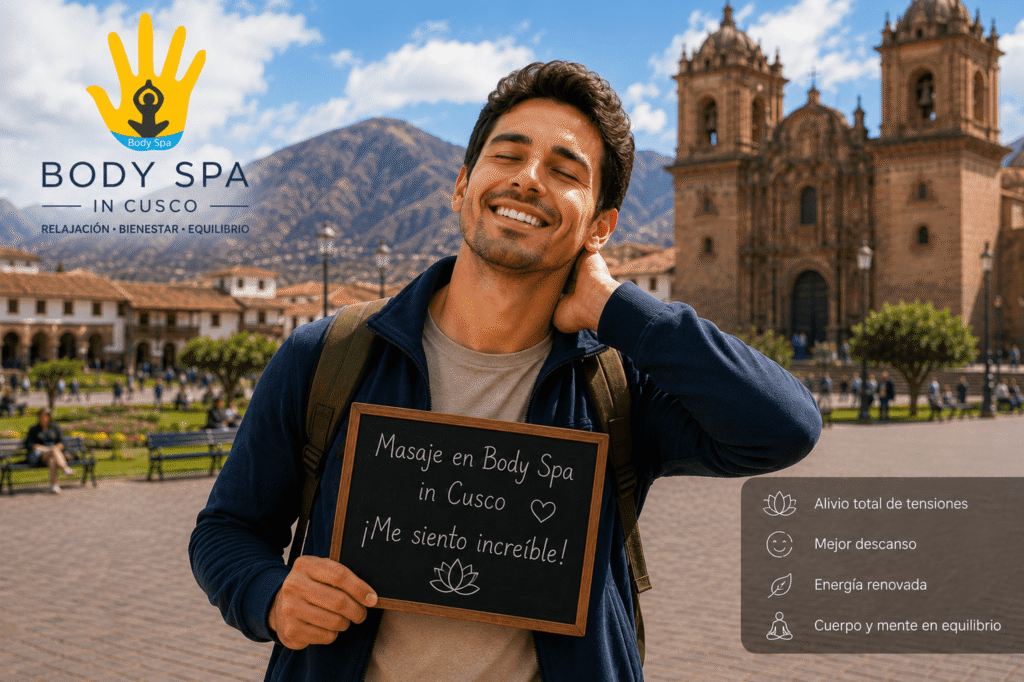
Start Your Altitude Recovery at Body Spa — The Best Massages in Cusco
You came to Cusco to experience one of the most extraordinary destinations on earth — not to spend your first days fighting altitude sickness symptoms in your hotel room. Therefore, let Body Spa’s certified altitude-specialist therapists help your body adapt faster, recover more completely, and enjoy every moment of your time in Cusco. Our team has treated thousands of international travelers from over 50 countries, and we understand exactly what your body needs at high altitude.
Furthermore, Body Spa has earned the Tripadvisor Travelers’ Choice Award for five consecutive years, with a perfect 5.0-star rating from over 1,225 verified guest reviews — making us the most trusted massage center in Cusco for altitude recovery and wellness. In addition, all our sessions use certified organic Andean oils, heated tables, and fully personalized treatment protocols. Therefore, whether you are experiencing mild altitude symptoms or simply want to recover faster and feel your best during your stay, we have the perfect treatment waiting for you. Book directly on WhatsApp or through our website — and your body will thank you within 24 hours.